 Hooshly CVision
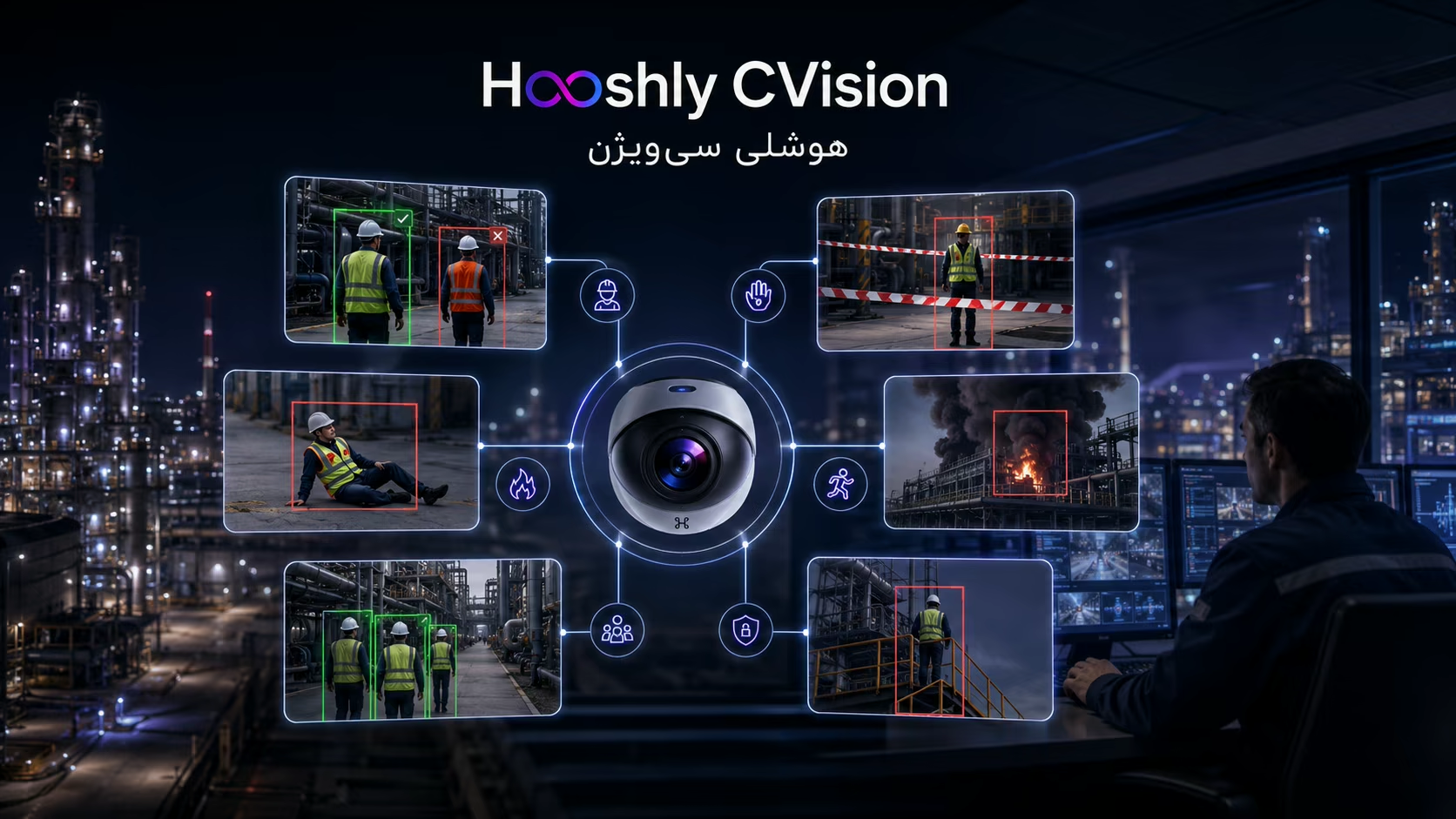
Machine vision system for safety and HSE monitoring
Relying on people alone to monitor many camera feeds can delay the detection of important behavior or events. Hooshly CVision, developed by Hooshly within the YMOND ecosystem, addresses this need. It adds video analytics to operational camera feeds to detect defined events and provide actionable alerts.
- Specialized department
- Hooshly
- Scope of application
- Mining, steel, manufacturing, and industry
What exactly does this solution solve?
This solution is intended for HSE, plant safety, and industrial site operations managers. It can monitor PPE use, unauthorized entry, and selected risk patterns in industrial environments. Implementation is tailored to each client's goals and operating conditions.
Start with the real problem: what does the end user need to do, which steps are difficult, what information or equipment is available, and how will success be measured? It adds video analytics to operational camera feeds to detect defined events and provide actionable alerts. Defining these needs guides feature design and helps avoid unnecessary development costs.
Convert existing video surveillance from passive observation to active safety monitoring
Incident detection, unsafe behavior and abnormal situation and warning before danger spread. The system also provides data for HSE reporting, investigating incident trends and identifying high-risk areas
Applications and use cases
- Detecting the use of personal protective equipment and safety violations
- Detection of entry into prohibited areas
- Detection of accumulation or collapse
- Smoke or fire detection
- Sending alerts to organizational tools
- Production of HSE statistical report and analysis of incidents and high-risk points
Key capabilities and components
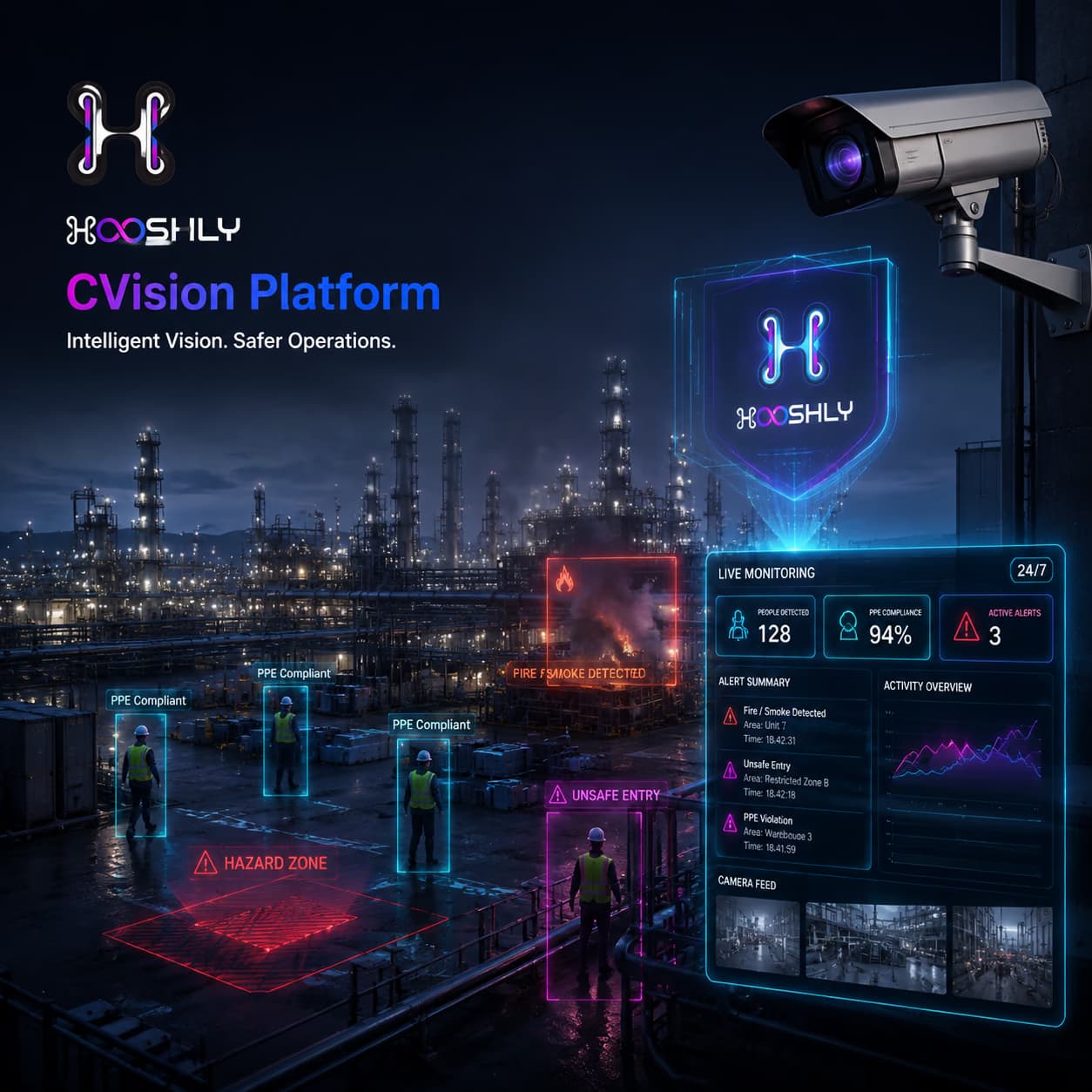
- PPE monitoring and unsafe behavior
- Unauthorized entry/prohibited areas
- Smart alert and real-time monitoring
- HSE statistical report and analysis of high-risk points
- The range of detection and connection is determined at each site
Core features, modules, and custom options are agreed during each project's needs assessment. The capabilities listed here describe the possible scope; they are not all necessarily included in a single package.
How the solution is experienced or implemented
Connection of operational camera stream
Real-time image/video analysis
Detection of configured items
Sending alerts to monitoring/control/announcement tools
Record clip or image of the event and customer retention policy
Technology, requirements and project output
Technology and technical requirements
- Real-time analysis of operational camera flow
- Input: Live image/video streaming from operational and CCTV/IP cameras
- RTSP and ONVIF support. Output: detection events, warning, event clip or image, HSE statistical report, trend analysis and high-risk points. The event clip/image is saved and the retention period is determined by the customer
Customization and deliverables
- Location, camera and connection requirements should be checked before bidding
- Detection scope, processing/deployment method and connections are determined based on the site. The financial model can be project pricing, subscription or perpetual license
- The scope, pilot and support should be specified in the offer/contract
Before starting, define the business or operational goal, an example scenario, budget and timing constraints, deployment environment, and technical decision-maker. These details help establish a realistic scope and delivery criteria.
Who is this solution for?
Purchasing and implementation may involve technical, training, product, marketing, or operations teams, depending on the intended use. It can monitor PPE use, unauthorized entry, and selected risk patterns in industrial environments. If the problem or access to the necessary data and content is unclear, start with a needs assessment or pilot.
Product image gallery
3 image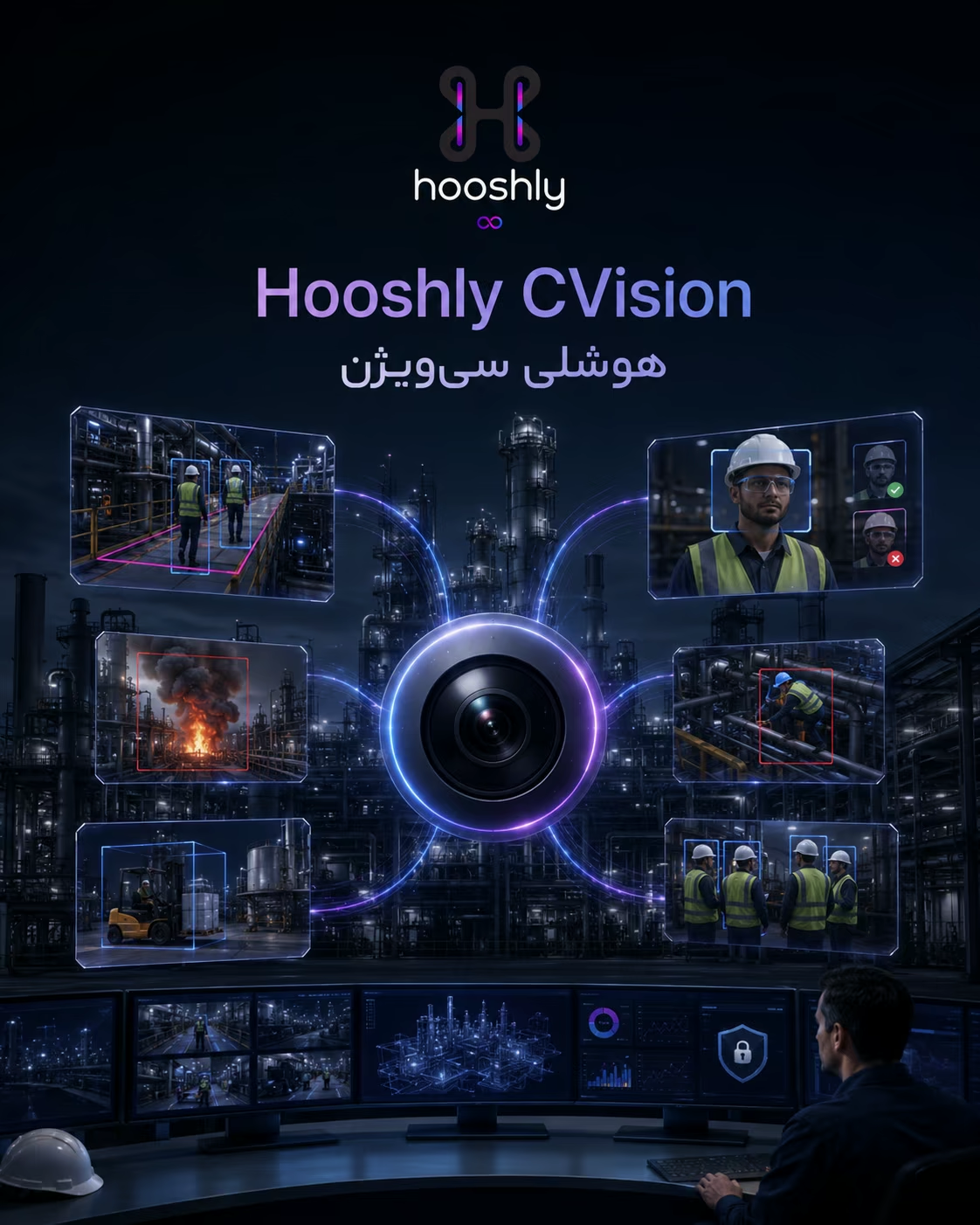
How to assess the solution's quality
Before purchasing or developing this solution, agree on the following three acceptance criteria in the technical review, alongside the required features:
- Data quality and testing in the real environment of the organization
- Definition of error index and system acceptance criterion
- Security, access, human supervision and review process
Frequently asked questions
Does it work with the organization's existing cameras?
Describes the solution of creating an analysis layer on the video stream of operational cameras. Compatibility with the camera model, network and storage systems should be specified in the technical evaluation
What events can it detect?
Detection of PPE, entry into hazardous area, some unsafe behaviors and patterns such as smoke or fall are included in the list of scenarios. The performance of each scenario depends on the data and imaging conditions
Is a report recorded for warnings?
System for safety warning and reporting has been introduced; How to send messages, maintain events and connect to monitoring should be implemented based on the structure of the organization
How is the accuracy of the system evaluated in the industrial site?
The number of positive and negative errors, accuracy and detection rate should be measured with the actual data of the same site, the defined scenario and the agreement test; A generic number is not valid without a test
Why choose YMOND for this solution?
YMOND is a deep tech development group working across AI, computer vision, immersive XR experiences, and interactive hardware. Hooshly is the specialist team behind this solution. Together, these capabilities allow the project team to address each client's challenge through coordinated software, content, and hardware design where needed.
Complementary solutions
How can I request a demo or a tailored proposal?
To explore computer vision for industrial safety for your organization, share your challenge, audience, operating environment, and expected outcomes with the YMOND team. Request a specialist consultation or start with the Vision Plus needs assessment to assess feasibility, discuss customization, and receive a technical proposal.
