 Hooshly Industrial AI
Design of customized industrial artificial intelligence solution
Operational data from equipment and production lines needs suitable models to support actionable decisions. Hooshly Industrial AI, developed by Hooshly within the YMOND ecosystem, addresses this need. It covers industrial problem analysis, predictive modeling, anomaly detection, and decision support tailored to each factory's data and constraints.

- Specialized department
- Hooshly
- Scope of application
- Mining, steel, manufacturing, and industry
What exactly does this solution solve?
This solution is intended for plant managers, maintenance managers, process engineers, and industrial digital transformation teams. It can support predictive maintenance, asset performance monitoring, and industrial process optimization. Implementation is tailored to each client's goals and operating conditions.
Start with the real problem: what does the end user need to do, which steps are difficult, what information or equipment is available, and how will success be measured? It covers industrial problem analysis, predictive modeling, anomaly detection, and decision support tailored to each factory's data and constraints. Defining these needs guides feature design and helps avoid unnecessary development costs.
Objective problem: using operational data for prediction and optimization, abnormality detection and decision support
The goal of the solution is to reduce downtime and cost, increase productivity and improve operational decisions; The achievement of these goals should be measured in each project
Applications and use cases
- Can be investigated for predictive maintenance, asset performance monitoring and industrial process optimization.
- Implementation of a dedicated project based on audience, equipment and environment
- Evaluation of an initial scenario before full development
Key capabilities and components
- Problem analysis and proprietary model design, prediction, optimization, anomaly detection, predictive maintenance and repair, and operational data connectivity. The solution is in research and development, and the scope of predictive maintenance, asset health and dashboard will be determined in the project review.
- Distinguishing model design tailored to each organization's problem, data, and operations, rather than a prepackaged one.
Core features, modules, and custom options are agreed during each project's needs assessment. The capabilities listed here describe the possible scope; they are not all necessarily included in a single package.
How the solution is experienced or implemented
Selection of operational problem and objective index
Review of existing data and systems
Designing and testing the model suitable for the environment
Connect to data/operating system and provide decision support or dashboard output
Pilot before production decision. The exact sequence of delivery and validation method needs to be defined in the project
Define inputs and prepare technical assets and content
Implement interactions and core controls, then test on the selected platform
Evaluate the experience and deliver it with operating instructions
Technology, requirements and project output
Technology and technical requirements
- On-prem, dedicated, cloud or edge deployment
- API connection to existing systems. The exact type of API, the list of available connections, the method of integration with each system and the final architecture should be determined in the technical evaluation
- Historian and time series data, sensor and process data
- SCADA, PLC, DCS or industrial IoT data
Customization and deliverables
- The solution is designed for the problem, data and operations of each specific organization. Scope includes operational data review, predictive maintenance/asset health model design, and decision support dashboards. Extension to other cases should be defined in the evaluation and pilot
- The solution is defined in a customized manner and with operational and technical scope suitable for each organization
- In this proprietary design process, deliverables can be data evaluation, model piloting, and decision aid/dashboard output.
Before starting, define the business or operational goal, an example scenario, budget and timing constraints, deployment environment, and technical decision-maker. These details help establish a realistic scope and delivery criteria.
Who is this solution for?
Purchasing and implementation may involve technical, training, product, marketing, or operations teams, depending on the intended use. It can support predictive maintenance, asset performance monitoring, and industrial process optimization. If the problem or access to the necessary data and content is unclear, start with a needs assessment or pilot.
Product image gallery
2 image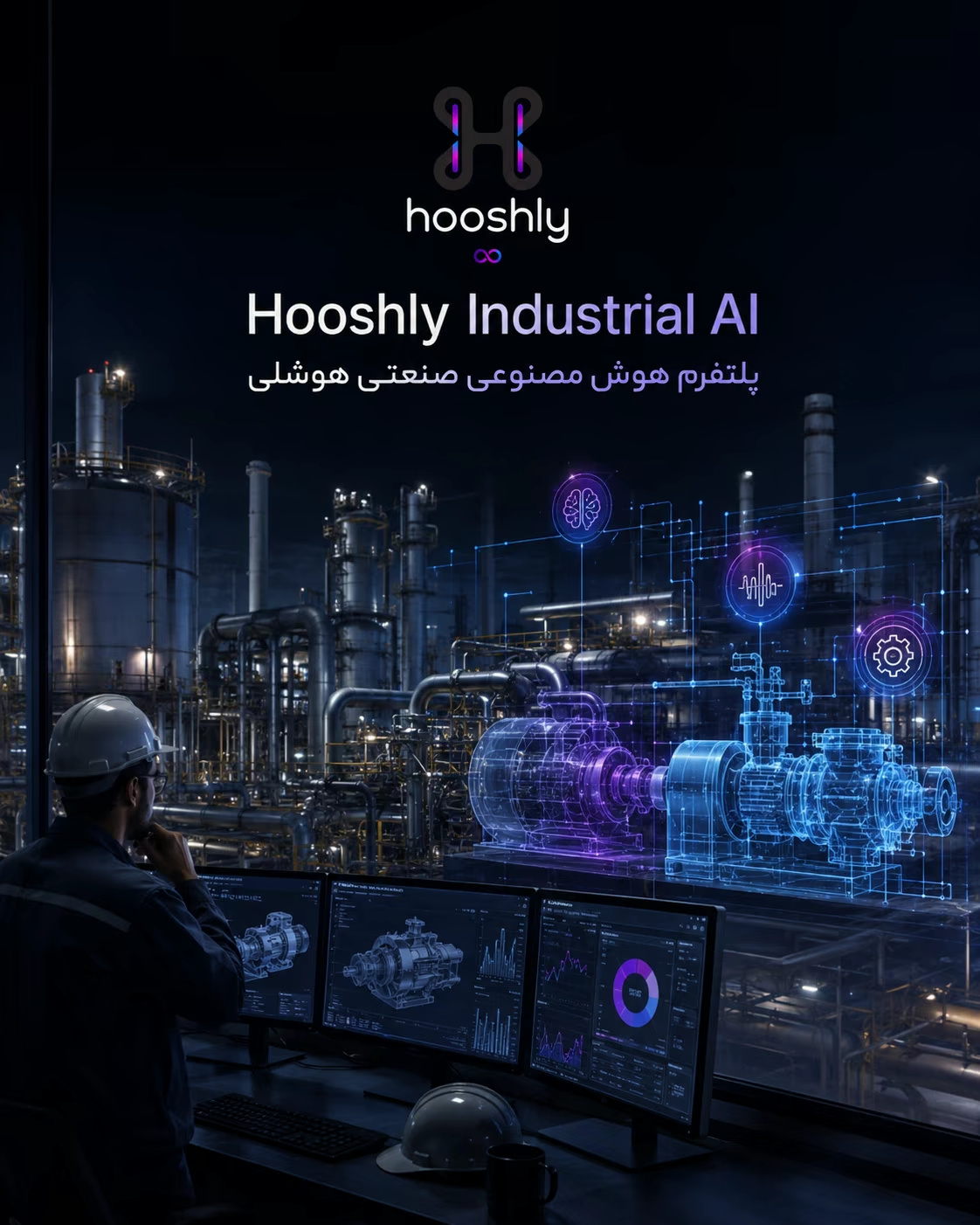
How to assess the solution's quality
Before purchasing or developing this solution, agree on the following three acceptance criteria in the technical review, alongside the required features:
- Data quality and testing in the real environment of the organization
- Definition of error index and system acceptance criterion
- Security, access, human supervision and review process
Frequently asked questions
What is the difference between customized industrial artificial intelligence and general software?
Generic software is usually built for a predefined domain; In Industrial AI, the problem, data, algorithm, and operational connections are tailored to specific industry or factory conditions
What data is needed to start the project?
The type of data depends on the application: stop and failure history, equipment status, sensor or production data can be input. Cleanliness and time coverage of data are checked before modeling
Is it possible to start with a limited pilot?
Yes, it is recommended to first select a limited problem with a specific outcome index, measure the data quality, and evaluate the test sample; Then the development decision is made
How is the result of the model evaluated?
The model should be evaluated on independent test data and agreed criteria such as prediction error, discovery rate, or operational effectiveness; Productivity improvements or cost reductions should not be claimed without measurement
Why choose YMOND for this solution?
YMOND is a deep tech development group working across AI, computer vision, immersive XR experiences, and interactive hardware. Hooshly is the specialist team behind this solution. Together, these capabilities allow the project team to address each client's challenge through coordinated software, content, and hardware design where needed.
Complementary solutions
How can I request a demo or a tailored proposal?
To explore industrial AI for your organization, share your challenge, audience, operating environment, and expected outcomes with the YMOND team. Request a specialist consultation or start with the Vision Plus needs assessment to assess feasibility, discuss customization, and receive a technical proposal.
