 Metaverse Game Development
Metaverse games and interactive spaces
Some ideas for online interaction need a more persistent environment than 2D pages and simple displays can offer. Metaverse Game Development, developed by Metanoya within the YMOND ecosystem, addresses this need. It creates game-like 3D spaces with interaction mechanics, narrative, digital identity, and technical requirements tailored to each project.
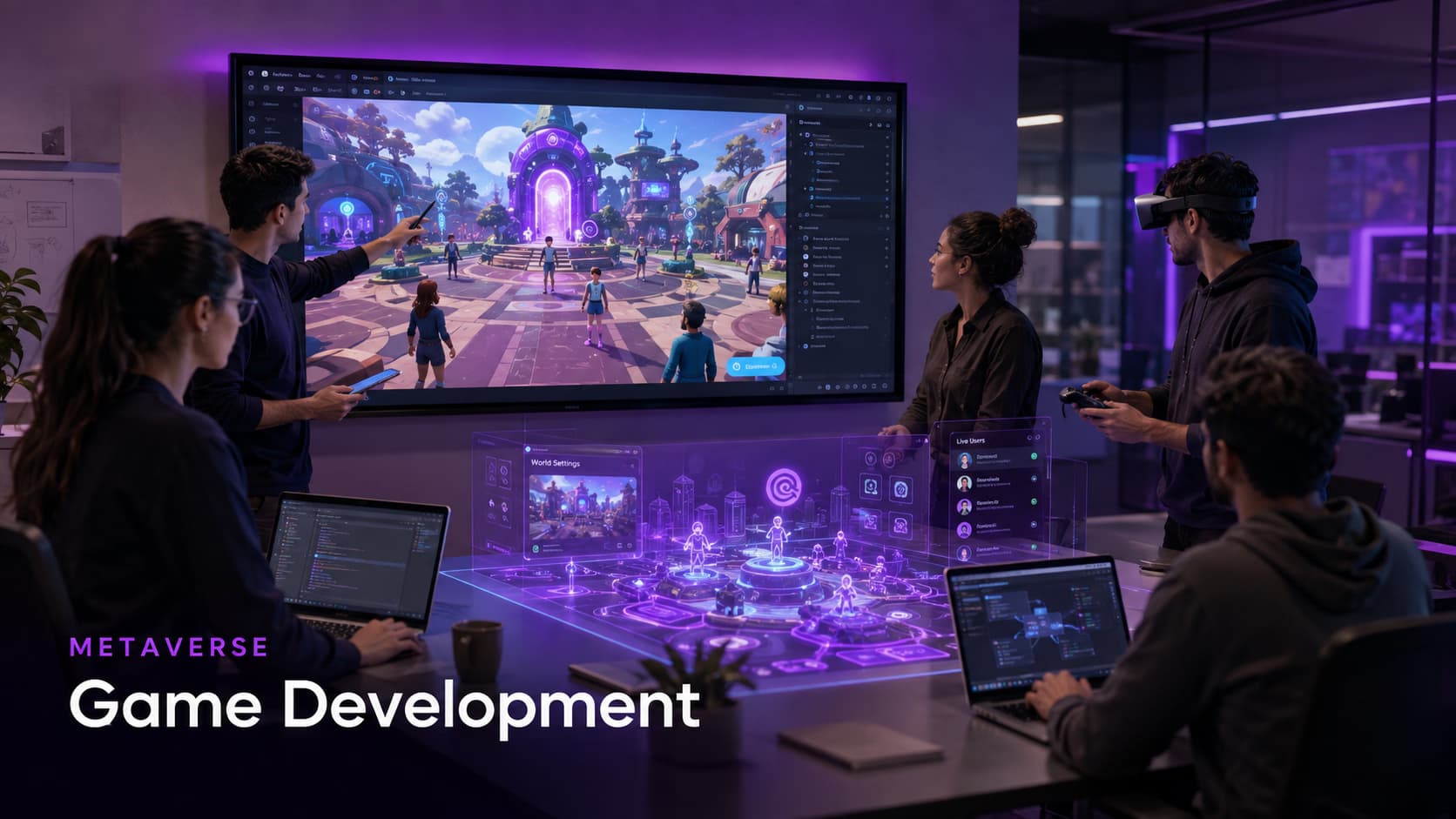
- Specialized department
- Metanoya
- Scope of application
- Game development, gamification, and entertainment
What exactly does this solution solve?
This solution is intended for digital product managers, brands, and investors in multi-user experiences. It can support virtual exhibitions, participatory campaigns, and game-based social experiences. Implementation is tailored to each client's goals and operating conditions.
Start with the real problem: what does the end user need to do, which steps are difficult, what information or equipment is available, and how will success be measured? It creates game-like 3D spaces with interaction mechanics, narrative, digital identity, and technical requirements tailored to each project. Defining these needs guides feature design and helps avoid unnecessary development costs.
This solution focuses on turning the idea into an interactive 3D experience, with gameplay design and stable and expandable technical infrastructure. The goal and audience of the project are the basis for designing the path of user participation
Applications and use cases
- Entertainment game
- Brand or exhibition experience
- 3D online space with multiplayer or persistent interaction
Key capabilities and components
- World design and metaverse narrative, gameplay and interaction, visual identity, sustainable and expandable infrastructure, entertainment/education/culture/advertising/branding applications. Platforms and options to consider: PC, console, standalone and connected VR, WebXR, real-time multiplayer and persistent world
- Unity and Unreal engines
- Dedicated backend and cloud or on-premises deployment
Core features, modules, and custom options are agreed during each project's needs assessment. The capabilities listed here describe the possible scope; they are not all necessarily included in a single package.
How the solution is experienced or implemented
Determining the target and audience
World design, narrative and gameplay
Art production and interaction mechanics
Client and backend implementation
Preparing release version. Detailed steps, project management tools and acceptance criteria are defined for each order
Technology, requirements and project output
Technology and technical requirements
- Input: project objective, audience, brief, narrative/content and platform constraints
Customization and deliverables
- The scope of the world, narrative, mechanics, visual appearance, platforms, network and infrastructure can be designed for the purpose/audience of the project. The chosen cooperation method includes custom project, joint development and development of Metanoya's original IP
- The number of platforms and online feature support should be estimated in each order
- Supported platforms are PC, Console, VR and WebXR based on project requirements. Source/IP items depend on the selected contract model (customer, subscriber or revenue-based).
Before starting, define the business or operational goal, an example scenario, budget and timing constraints, deployment environment, and technical decision-maker. These details help establish a realistic scope and delivery criteria.
Who is this solution for?
Purchasing and implementation may involve technical, training, product, marketing, or operations teams, depending on the intended use. It can support virtual exhibitions, participatory campaigns, and game-based social experiences. If the problem or access to the necessary data and content is unclear, start with a needs assessment or pilot.
Product image gallery
2 image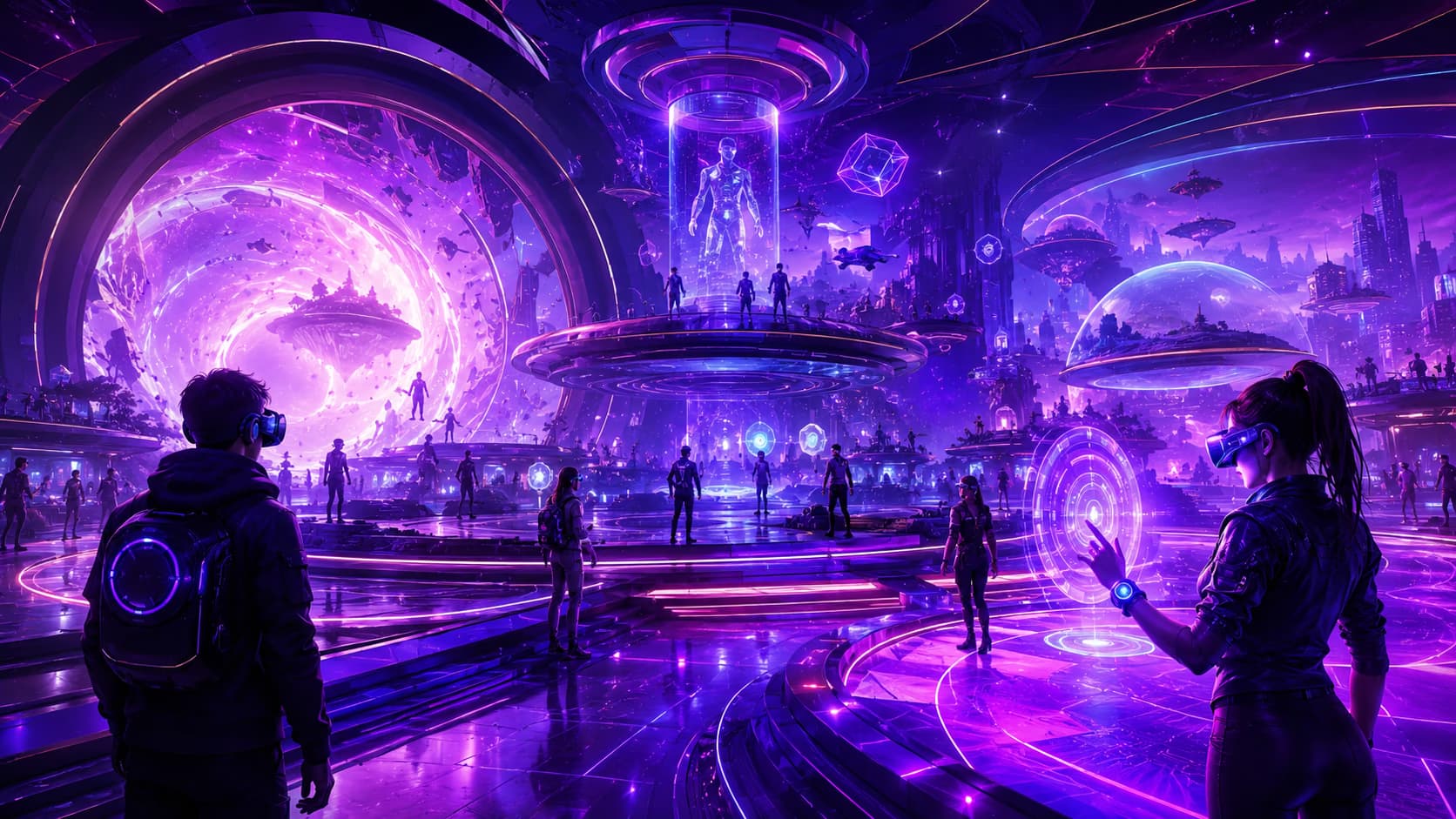
Related experience and projects
- Metanoya game and immersive experience examples; suitability for the proposed project should be assessed.
How to assess the solution's quality
Before purchasing or developing this solution, agree on the following three acceptance criteria in the technical review, alongside the required features:
- Testing game mechanics and target user satisfaction
- Stability and performance on the target platform
- Phased delivery of playable sample and test fixes
Frequently asked questions
What are the parts of making a metaverse game?
Metaverse development can include 3D environment design, game rules, social interaction, and online components; All capabilities should be specified in the project scope document
Is multi-user functionality possible?
The possibility of multi-user design depends on the network architecture and project budget and should be anticipated from the technical design stage.
How is the range of environment and avatar design determined?
The environment, visual identity, avatar, access level and interaction mechanics are defined based on the brand or game scenario.
What factors depend on the cost and construction time?
The number of environments, graphics level, multiuser, target platform and performance testing are the most important estimation factors.
Why choose YMOND for this solution?
YMOND is a deep tech development group working across AI, computer vision, immersive XR experiences, and interactive hardware. Metanoya is the specialist team behind this solution. Together, these capabilities allow the project team to address each client's challenge through coordinated software, content, and hardware design where needed.
Complementary solutions
How can I request a demo or a tailored proposal?
To explore metaverse game development for your organization, share your challenge, audience, operating environment, and expected outcomes with the YMOND team. Request a specialist consultation or start with the Vision Plus needs assessment to assess feasibility, discuss customization, and receive a technical proposal.
